Locally owned · Serving Lexington & the SC MidlandsCall 803-365-5890·Text
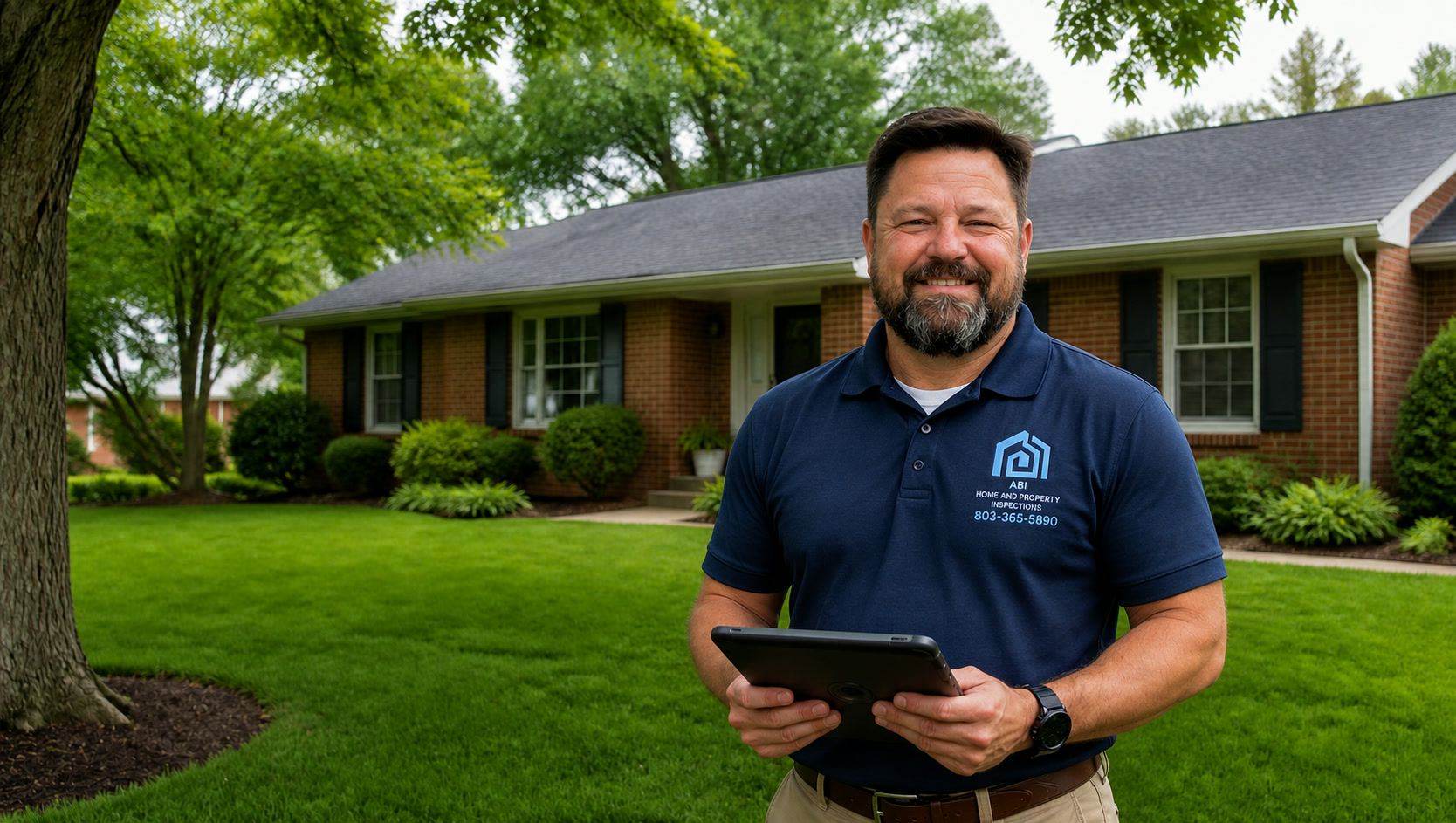
Licensed home inspector Jim Campbell in Lexington, SC

Inspection Service · Lexington & Columbia, SC

Sewer Scope Inspection in Lexington & Columbia, SC

A camera crawls the buried lateral from cleanout to the main, so a $10,000 pipe problem shows up on video instead of in your first year of ownership.

10

Five-star reviews

5.0

25+

Years inspecting

What a sewer scope inspection is

A sewer scope inspection in Lexington SC sends a high-resolution camera on a push cable through the home's sewer lateral — the buried pipe carrying wastewater from the house to the municipal main or the septic tank. A standard home inspection can run fixtures and watch drainage at the sink and tub, but it has no way to see what's happening ten, thirty, or eighty feet underground. The camera does, all the way to the connection point.

We feed the camera in at an accessible cleanout, record the full run, and note pipe material, standing water, root intrusion, offsets and separations at the joints, and any bellies where the pipe has sagged and waste pools instead of draining. You get the actual video and a written summary, not a verbal impression. It pairs naturally with a full home inspection in Lexington or with a CL-100 termite inspection on the same visit.

Why it matters in South Carolina

Two local facts make a sewer scope worth the money in the Midlands. First, age and material: a lot of housing stock in Lexington, Cayce, and West Columbia was plumbed decades ago with cast iron or Orangeburg pipe — a tar-paper composite pipe that was common through the 1950s and '60s and is now well past any reasonable service life. Clay pipe under older Columbia neighborhoods like Shandon and Rosewood has its own problem: the mature oak roots that make those streets shady are also the roots that find every hairline joint and grow straight into it.

Second, cost and visibility: a collapsed or root-choked lateral commonly runs several thousand dollars to excavate and replace, and none of it shows from the yard or the crawlspace. Lexington County's mix of sandy soil in some areas and dense clay in others also means pipe settles unevenly over time, creating bellies that a camera catches and a walkthrough never will. For a fraction of that repair cost, a sewer scope in Columbia or Lexington tells you what's actually down there before it becomes your problem instead of the seller's. On septic systems, it also gives an early look at the line feeding the tank, which a septic-specific evaluation may not otherwise cover.

Deliverable

What the Sewer Scope Report Includes

You get the full camera footage plus a written summary flagging anything that affects the pipe's condition or remaining life, so a plumber can quote repairs from the report alone.

  • Full video recording of the lateral from the cleanout to the main or septic tank
  • Pipe material identification — PVC, cast iron, clay, or Orangeburg
  • Root intrusion, bellies, offsets, breaks, and blockages, with footage distance marks
  • Standing water and flow observations
  • Notes on any sections that could not be reached, stated plainly
  • A plain-language summary a plumber can quote repair work from directly

Local specifics

What We Find in Lexington & Columbia Sewer Lines

The pattern shifts by neighborhood age. In older sections of Lexington and West Columbia, the recurring finding is Orangeburg pipe that has gone oval or partially collapsed under the weight of the soil above it — the pipe was never built to last a lifetime, and many installed in the mid-20th century are now well beyond it. In Cayce and the older grids near downtown Columbia, clay pipe with root intrusion at nearly every joint is common enough that we expect to see some amount of it; the question is how much and how close to full blockage.

On the newer construction corridors along Highway 6, Sunset Boulevard, and out toward Chapin and Lake Murray, the issues are different: construction debris left in the line, pipe crushed by heavy equipment driving over the yard during the build, or improperly sloped sections that create a belly right out of the gate. Homes on septic systems throughout Lexington and Gilbert generally have shorter laterals, but a scope still catches root intrusion and grade issues between the house and the tank before they turn into a backed-up drain field.

On older homes we usually pair the scope with a CL-100 termite inspection and a mold inspection when the crawlspace shows moisture. We scope lines in Columbia and West Columbia as well.

Orangeburg and cast iron on a timeline

Neither material fails on a predictable schedule, but both are past the point where anyone should assume they're fine. When we find Orangeburg pipe still in service, we say so directly and note its condition rather than guessing at years remaining — that's a conversation for a licensed plumber with a repair quote in hand.

Root intrusion under mature trees

Columbia and Lexington's tree canopy is one of the reasons people love these neighborhoods, and it's also the leading cause of lateral problems we see. A scope shows exactly where roots have entered so a plumber can target a repair or a root-cutting service instead of guessing at the whole line's condition.

Questions

Sewer Scope Inspection FAQ

How much does a sewer scope cost in Columbia SC?

A standalone sewer scope inspection in the Columbia and Lexington area typically runs a modest flat fee, and it's usually cheaper bundled with a full home inspection since we're already on site. Access point and lateral length can affect price slightly. Call 803-365-5890 with the address and we'll give you an exact quote.

Is a sewer scope worth it on a newer home?

Yes, more often than buyers expect. On new construction around Lexington and Chapin we regularly find construction debris, crushed sections from heavy equipment, or pipe sloped incorrectly during installation. Catching it while the builder is still on the hook turns a costly excavation into a warranty repair instead of an out-of-pocket surprise after closing.

What is Orangeburg pipe and is it in Lexington County?

Orangeburg is a tar-paper composite sewer pipe used widely from the 1940s through the 1960s. It's found throughout older sections of Lexington, Cayce, and West Columbia, and it tends to lose its round shape and eventually collapse under soil weight over time. A sewer scope is the only reliable way to confirm whether a given house still has it.

Do you scope homes on septic systems?

Yes. We scope the lateral from the house to the septic tank, checking for root intrusion, grade problems, and blockages between the two. We are not septic system evaluators and do not inspect the tank or drain field itself, but the lateral scope is a useful, affordable piece of due diligence on any septic property in Lexington or Gilbert.

How long does a sewer scope take?

Most sewer scopes take about 30 to 45 minutes on site once we locate a usable cleanout or access point. If there's no accessible cleanout, we'll discuss options with you before the visit, since that can add time or occasionally isn't possible. Scheduled alongside a full home inspection, it adds minimal time to your appointment overall.

Areas we serve

Where We Offer Sewer Scope Inspection

Get a fast quote…

Call or text 803-365-5890 with the address — exact price in about two minutes.