Locally owned · Serving Lexington & the SC MidlandsCall 803-365-5890·Text
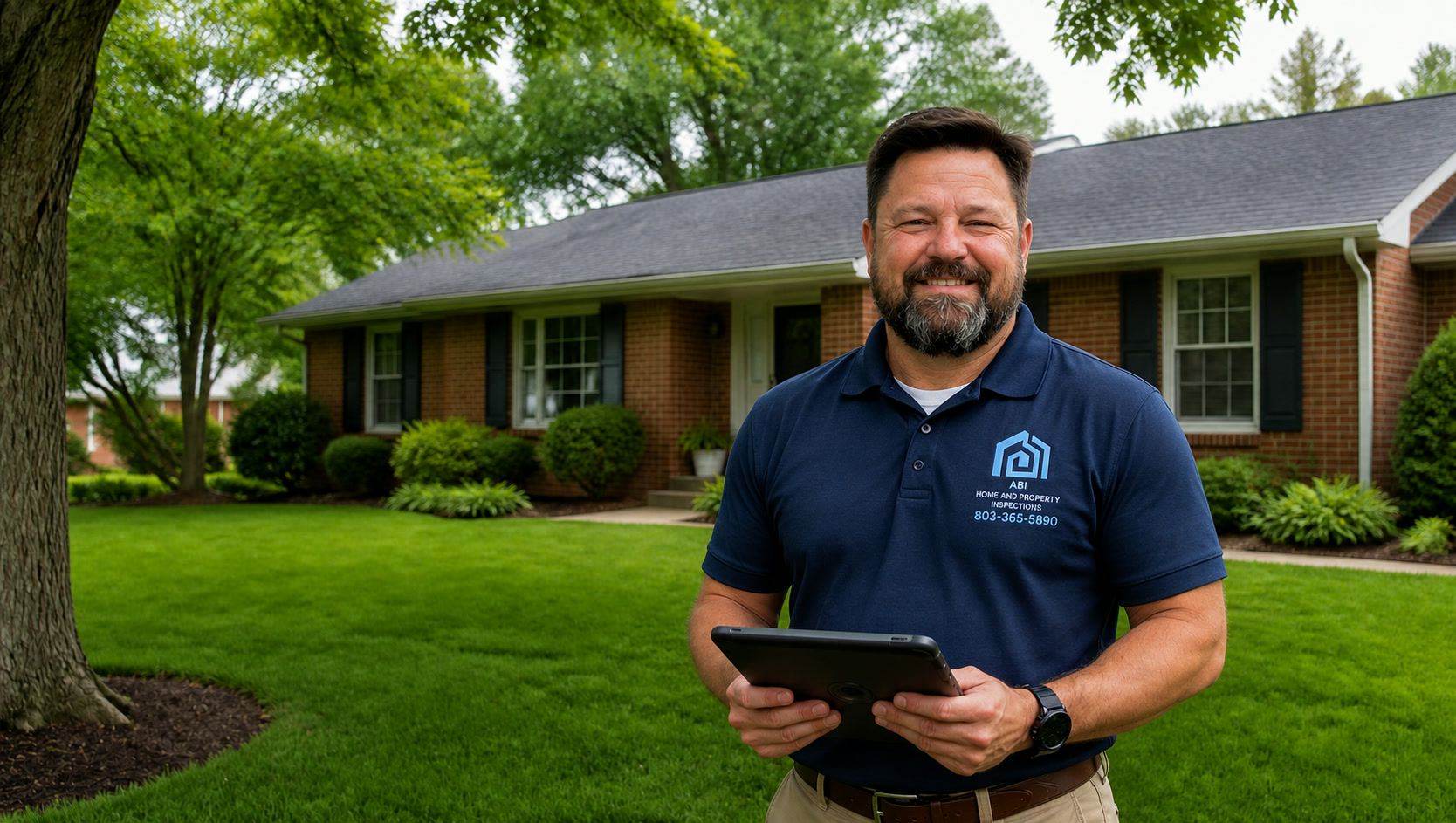
Licensed home inspector Jim Campbell in Lexington, SC

Inspection Service · Lexington & Columbia, SC

Radon Testing in Lexington & Columbia, SC

A 48-hour continuous monitor, an hourly logged reading, and a plain answer to a question no walkthrough can settle by eye.

10

Five-star reviews

5.0

25+

Years inspecting

What radon testing is

Radon testing in Lexington SC measures a naturally occurring radioactive gas released as uranium breaks down in soil and rock. It has no color, no odor, and no taste, so a home inspector cannot see it, smell it, or guess at it from a crawlspace visit. The only way to know a house's radon level is to measure it with a calibrated monitor over time. It is the second-leading cause of lung cancer in the United States after smoking, and it is worth checking on nearly every purchase, not just homes with obvious risk factors.

We place a continuous electronic radon monitor in the lowest livable level of the home and leave it running for a minimum of 48 hours under closed-house conditions, meaning windows and exterior doors stay shut except for normal entry and exit. The monitor logs hourly readings rather than one average, which makes tampering obvious and gives you a defensible, timestamped number instead of a guess.

Why it matters in the Midlands

Radon does not respect neighborhood lines or zone maps. The EPA maps most of Lexington and Richland counties as Zone 2, moderate potential, but that number describes a county average, not your specific lot. Homes over granite-influenced soil in parts of Lexington, Chapin, and northeast Columbia have tested well above the EPA action level of 4.0 pCi/L while a house two streets over tested low. Slab foundations, crawlspaces, and basements all offer entry points through foundation cracks, sump pits, and utility penetrations, and tighter, more energy-efficient new construction can actually trap radon at higher concentrations than older, leakier houses.

South Carolina purchase contracts routinely include a radon contingency, and many lenders and VA loans specifically address it, so a result at or above 4.0 pCi/L becomes a negotiating point rather than a surprise after closing. If a test does come back elevated, mitigation is a well-understood fix: a sealed sub-slab or sub-membrane suction system typically runs a modest, one-time cost and brings levels down permanently. We often set the monitor during the same visit as a CL-100 termite inspection in Lexington or full home inspection so you are not scheduling a separate trip.
Deliverable

What the Radon Test Report Includes

You get a straightforward report with the logged data behind it, so there is no ambiguity about what the number means or how it was measured.

  • 48+ hour continuous monitor placement and retrieval under closed-house conditions
  • Hourly radon readings with the calculated test average
  • Direct comparison against the EPA 4.0 pCi/L action level
  • Notes on monitor placement and any conditions affecting the test
  • A plain-English recommendation on whether mitigation is warranted

Local specifics

What We Find in Lexington & Columbia Homes

Results across the Midlands vary more by lot than by neighborhood. We have tested homes in Lexington subdivisions off Charter Oak Road that came back comfortably under 2.0 pCi/L, and slab homes a mile away that tested above the action level on the first pass. Crawlspace homes are not automatically safer than slab homes; a vented crawlspace can still feed elevated levels into the living space above through floor penetrations and HVAC returns, especially in winter when the house is sealed up tight and the furnace is drawing air.

New construction around Lexington's growth corridors gets tested more often than people expect, and for good reason: tighter envelopes and mechanical ventilation systems change how radon accumulates compared to an older, leakier house. On resale homes in Cayce and West Columbia we occasionally find monitors left in odd spots by a previous test — near a window unit or an open crawlspace hatch — which skews readings low. We place the monitor per EPA protocol so the number you get is the number that matters, whether the property is a home inspection in Lexington SC or a home inspection in West Columbia SC client.

Radon tests run easily alongside a CL-100 termite inspection or a mold inspection in Lexington SC during the same due-diligence window.

Slab homes versus crawlspace homes

Both foundation types can test high or low; the deciding factor is soil chemistry and how well the foundation is sealed, not the construction style. We test the lowest livable level regardless of foundation type, since that is where occupants spend the most time and where EPA protocol says to measure.

Testing during a real estate transaction

Because most SC contracts tie radon results to a due-diligence deadline, we try to get the monitor placed within a day or two of your home inspection in Columbia SC so the 48-hour window closes before your contingency period does. Waiting until the last week of due diligence leaves no room for a retest if conditions were disturbed.

Questions

Radon Testing FAQ

Is radon common in Lexington County, SC?

It's common enough to test for on nearly every purchase. The EPA rates most of Lexington and Richland counties as moderate potential, but that's a county-wide average — we've measured very different results on lots a short distance apart. The only way to know your specific house is to run a monitored test rather than rely on a zone map.

How long does a radon test take?

A minimum of 48 hours under closed-house conditions, meaning windows and exterior doors stay shut except for normal use. We typically set the monitor during your home inspection visit and return to retrieve it two days later, so it doesn't require a separate appointment or slow down your due-diligence timeline.

What radon level requires mitigation?

The EPA action level is 4.0 pCi/L. Results at or above that level mean mitigation is recommended; results between 2 and 4 pCi/L are worth considering mitigation for, especially with children or long-term occupancy in mind. Our report states the test average clearly against that threshold so you know exactly where your house falls.

How much does radon mitigation cost?

A typical sub-slab or sub-membrane suction system for a single-family home is a one-time installation, and costs vary with foundation type, crawlspace access, and house size. We don't perform mitigation ourselves, so our recommendation isn't tied to a sale — we can point you toward licensed mitigation contractors for an exact quote.

Can you test radon in a home with a crawlspace?

Yes. We place the monitor in the lowest livable level of the house, not in the crawlspace itself, since that's where occupants actually breathe the air. Crawlspace homes can test high or low depending on soil conditions and how well the vapor barrier and foundation are sealed, so testing is just as important as it is for slab homes.

Areas we serve

Where We Offer Radon Testing

Get a fast quote…

Call or text 803-365-5890 with the address — exact price in about two minutes.