Locally owned · Serving Lexington & the SC MidlandsCall 803-365-5890·Text
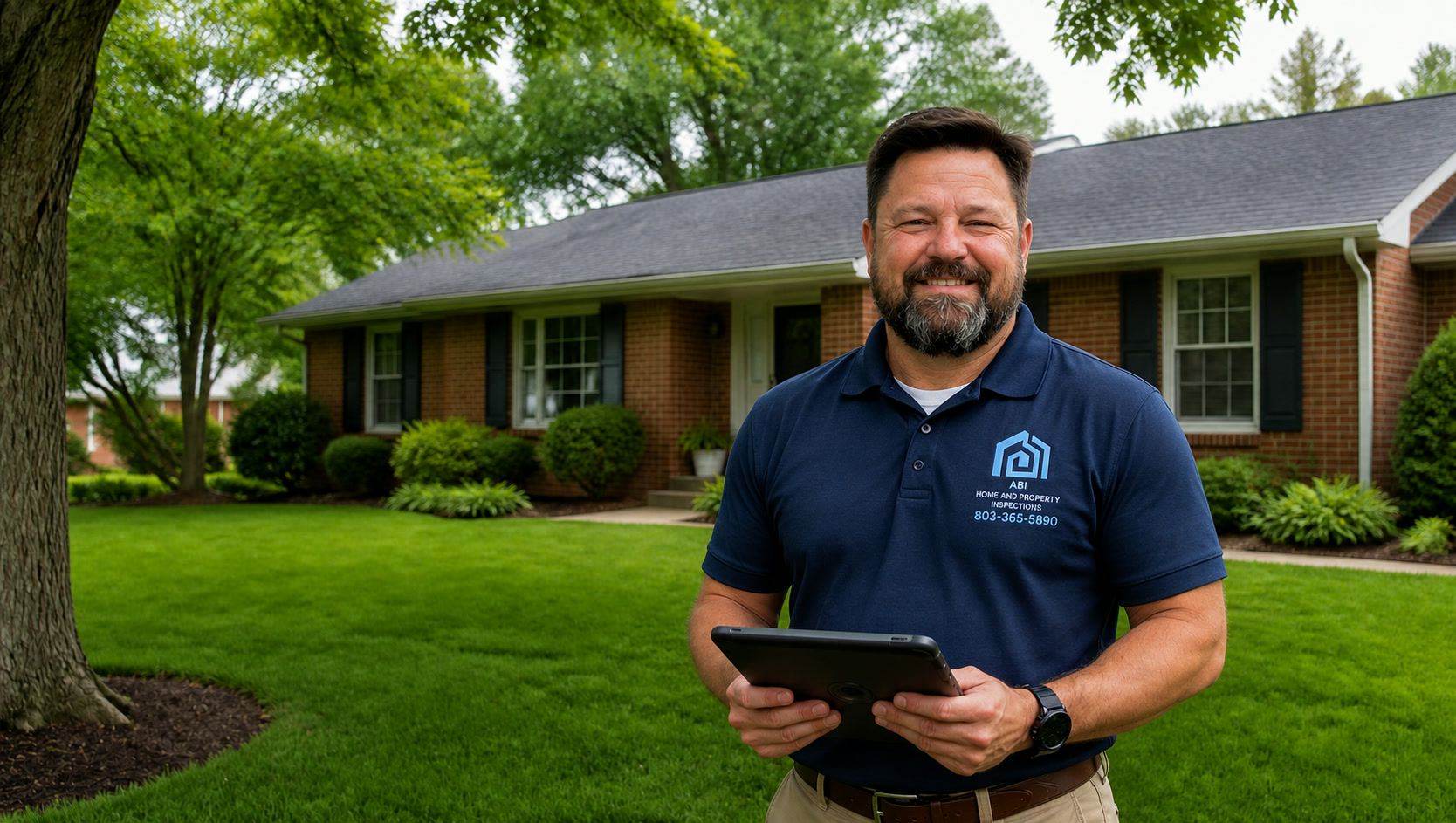
Licensed home inspector Jim Campbell in Lexington, SC

Inspection Service · Lexington & Columbia, SC

CL-100 Termite Inspection in Lexington & Columbia, SC

The state Wood Infestation Report, done in the same visit as your home inspection — signed, dated, and in your closing attorney's hands the same day.

10

Five-star reviews

5.0

25+

Years inspecting

What a CL-100 is

A CL-100 termite inspection in Lexington SC is the South Carolina Wood Infestation Report: a standardized, state-form inspection of a home's accessible wood for evidence of termites, other wood-destroying insects, wood-decaying fungi, and excessive moisture. It is not a general home inspection and it is not a pest treatment. It answers one narrow set of questions, on one form, signed by a licensed inspector, in the format your lender and closing attorney expect.

The report covers what can be reached and seen — crawlspace framing, sill plates, band boards, floor joists, exterior siding and trim near grade, garage framing, and accessible interior wood. Where a crawlspace is too tight or a slab hides the framing, the form says so plainly rather than guessing. We schedule the CL-100 in the same visit as your full home inspection in Lexington, so you get one appointment, one inspector, and one point of contact.
Why it matters in South Carolina

The Midlands sits in one of the heaviest termite-pressure zones in the country. Eastern subterranean termites forage year-round in Lexington County's warm, sandy soil, and Formosan colonies have been documented across the southern half of the state. Add the region's vented crawlspaces, long humid summers, and pine framing, and you have a climate that quietly feeds both insects and wood-decaying fungi. A house can look immaculate from the living room and still be losing structural wood under the floor.

That is why the report is written into the way South Carolina closes real estate. Lenders require a current CL-100 on financed purchases, and most SC purchase contracts obligate the seller to furnish one dated within 30 days of closing. Practically, it also becomes a negotiating document: if the form notes active infestation, previous damage, or excessive moisture readings, treatment and repairs get settled before the closing table instead of after. Ordering it early in your due-diligence window is what keeps that conversation calm.

Deliverable

What the CL-100 Report Includes

You receive the completed state form plus our photo documentation of anything noted on it — so a contractor or termite company can quote from the report without a second visit.

  • Inspection of all accessible wood in the crawlspace, exterior, garage, and interior
  • Findings on subterranean termites, powderpost beetles, and other wood-destroying insects
  • Wood-decaying fungi with moisture readings taken in subfloor wood
  • Evidence of previous treatment, previous damage, and conducive conditions
  • Areas that were obstructed or inaccessible, listed rather than assumed
  • The completed, signed CL-100 form your lender and closing attorney need

Local specifics

What We Find in Lexington & Columbia Homes

Across Lexington County the recurring CL-100 finding is not dramatic damage — it is conducive conditions. Vented crawlspaces off Old Cherokee Road and Platt Springs Road routinely run above 70% relative humidity from May into September, and the moisture meter tells the story before any insect does: subfloor readings in the high teens or twenties, torn vapor barrier, a dryer venting under the house, downspouts dumping against a foundation wall. Those are the reports that get resolved with a hundred dollars of drainage work and a grading fix.

In older Columbia neighborhoods — Rosewood, Shandon, Eau Claire — we see more previous-treatment evidence and more previous damage: drill holes in the slab edge, treated soil records, and old feeding galleries in band boards that were repaired decades ago. The judgment call there is active versus historic, and it is worth taking the time to be right. On the Highway 6 and 378 new-construction corridors the pattern flips again: fresh houses with untreated form boards and construction scrap left in the crawlspace, mulch stacked above the slab line, and irrigation heads soaking the siding nightly.

Most buyers pair the CL-100 with a radon test in Lexington SC and, on older sewer lines, a sewer scope inspection in the same visit. We write Wood Infestation Reports for homes across Columbia and West Columbia as well as for every home inspector in Lexington, SC client.

Crawlspace moisture and fungal growth

Wood-decaying fungi cause more documented CL-100 findings in the Midlands than termites do. When we flag it, we also flag the water source, because treatment without a moisture fix simply resets the clock. Homes with recurring growth are often good candidates for a mold inspection in Lexington and Columbia to trace the source properly.

Damage nobody can see from the yard

Termite galleries hide in band boards behind insulation, and buried plumbing problems hide even better — which is why buyers ordering a CL-100 on an older home frequently add a sewer scope inspection in Columbia and, on slab homes, radon testing in Lexington SC in the same visit.

Questions

CL-100 Termite Inspection FAQ

How much does a CL-100 cost in Lexington, SC?

A standalone CL-100 in the Lexington and Columbia area typically runs in the low-to-mid hundreds, and it is meaningfully cheaper bundled with a full home inspection because it is one trip and one crawlspace entry. Size, foundation type, and crawlspace access drive the price. Call 803-365-5890 with the address and we will quote the exact number in about two minutes.

Who can perform a CL-100 in South Carolina?

Only an inspector licensed by the South Carolina Department of Agriculture in the wood-destroying-organism category may sign the CL-100 form. A general home inspection license does not cover it, which is why some inspectors have to send a second company to your house. We coordinate the report so both the home inspection and the CL-100 happen in one visit.

How long is a CL-100 good for?

Lenders and South Carolina purchase contracts generally want the report dated within 30 days of closing, and most attorneys will not accept one older than that. If your closing slips past the window, the report usually has to be redone. Scheduling roughly two to four weeks out from your closing date is the sweet spot.

What happens if the CL-100 finds active termites?

It becomes a repair item, not a deal-breaker. The report documents what was found and where, and buyer and seller typically resolve treatment and any wood repairs before closing — treatment by a licensed pest company, repairs by a contractor working from our photos. Because the form separates active infestation from old damage and from moisture conditions, you are negotiating over specifics rather than fear.

Is a CL-100 the same as a termite bond?

No. The CL-100 is an inspection report on the home's current condition; a termite bond is an ongoing treatment-and-warranty contract with a pest control company. Sellers sometimes have both, and a transferable bond is worth asking about. We inspect and report — we do not sell treatment, so nothing in your report exists to sell you a contract.

Do you inspect slab homes for the CL-100?

Yes. Slab construction limits what is visible, since there is no crawlspace framing to examine, so the inspection focuses on the slab perimeter, siding and trim near grade, garage framing, interior wood, and conducive conditions like mulch depth and irrigation. The form notes exactly which areas were inaccessible so nobody later assumes more was checked than could be.

Areas we serve

Where We Offer CL-100 Termite Inspection

Get a fast quote…

Call or text 803-365-5890 with the address — exact price in about two minutes.